Mindset is everything. It shapes how we see the world, guides the choices we make, and fuels our growth. When we understand the difference between a growth vs fixed mindset, we gain the power to turn challenges into opportunities, transform setbacks into stepping stones, and pursue goals that once felt impossible. A growth-focused mindset doesn’t ignore difficulties—it pushes us to rise above them, adapt, and grow stronger. By choosing a mindset of resilience, possibility, and growth, we take charge of shaping not just our thoughts, but our entire life.
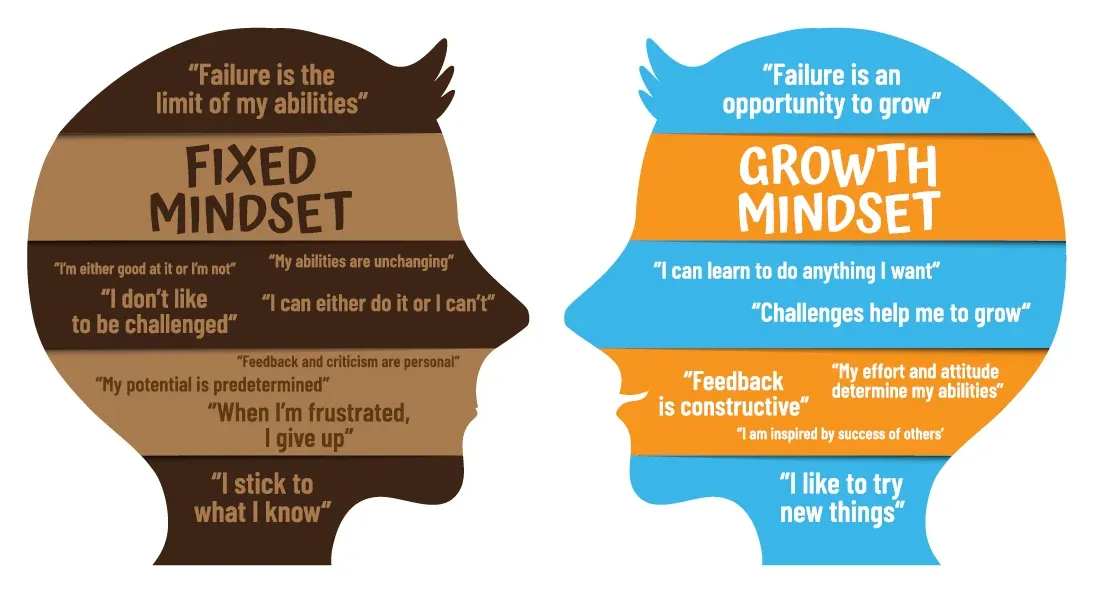
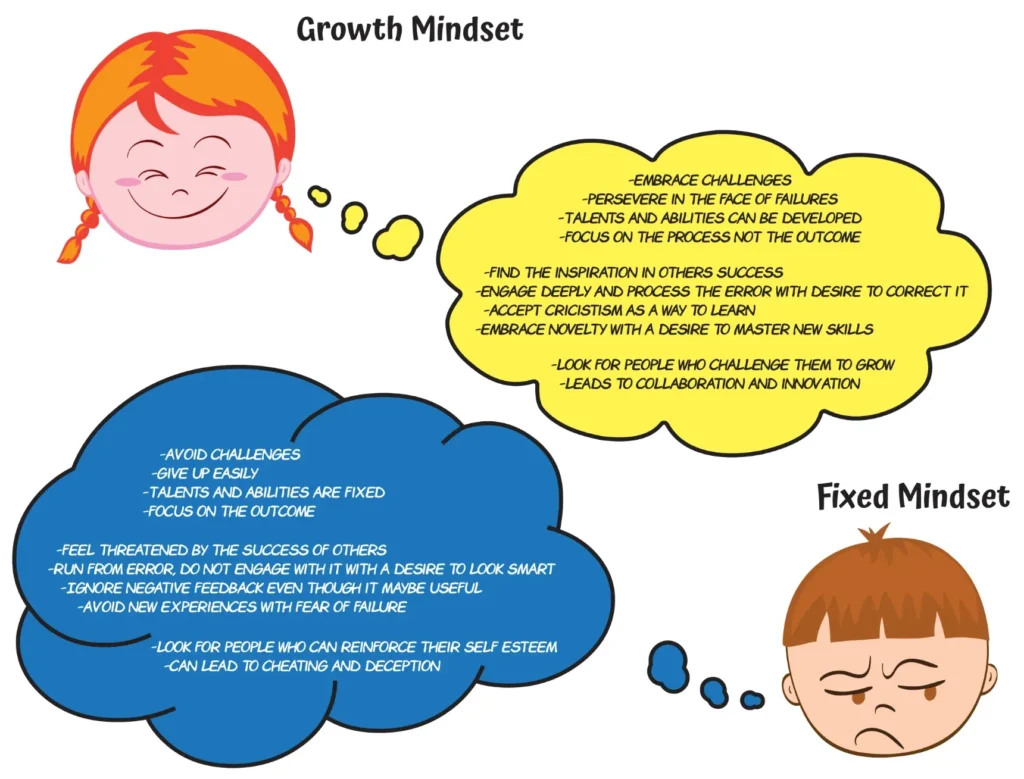
The way we think about our abilities affects how we approach challenges, setbacks, and success. Psychologist Carol Dweck introduced the concepts of the growth mindset and fixed mindset, reshaping how educators, leaders, and individuals understand motivation and achievement. A growth mindset embraces the belief that we can develop intelligence, skills, and talents, while a fixed mindset assumes we are born with abilities that cannot change.
The Fixed Mindset
“In a fixed mindset, people believe their basic qualities, like their intelligence or talent, are simply fixed traits. They spend their time documenting their intelligence or talent instead of developing them. They also believe that talent alone creates success—without effort” (Dweck, 2015).
The Growth Mindset
“In a growth mindset, people believe that their most basic abilities can be developed through dedication and hard work—brains and talent are just the starting point. This view creates a love of learning and a resilience that is essential for great accomplishment” (Dweck, 2015).
Why Growth Mindset Matters?
Choosing a growth mindset has been linked to several powerful benefits:
Better performance: Students and employees with a growth mindset stay motivated and perform better.
Greater resilience: People with a growth mindset recover faster from setbacks and keep moving forward.
Higher creativity: Treating mistakes as lessons encourages experimentation and innovation.
Improved relationships: Being open to feedback strengthens communication and connection.