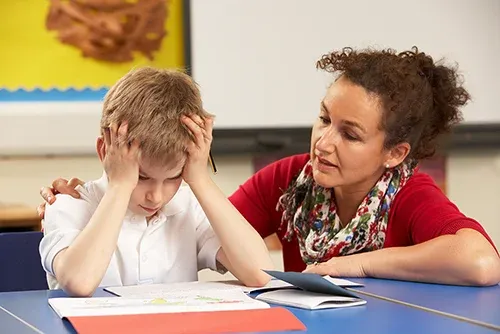
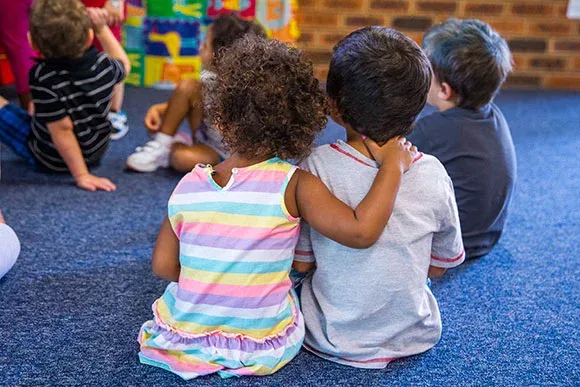
One of the first core topics is Self-awareness. Self-awareness is the ability to focus on and understand one’s thoughts, emotions, and actions. In fact, the ability to navigate school, community, and home environments relies heavily on self-awareness. Moreover, increasing self-awareness enhances social and interpersonal skills, which are essential for successful adult living. This foundational skill also builds confidence, improves emotional regulation, and helps students respond thoughtfully to challenges rather than reacting impulsively.
Self-Management
Self-management is the skillset that allows a person to take responsibility for their behavior and well-being. As a result, individuals learn that their decisions directly affect outcomes and consequences. This is why self-management is considered a key developmental goal in all educational settings. Furthermore, it allows students to independently manage many aspects of their academic lives. Good self-management strengthens goal-setting and decision-making skills, and it is necessary for building strong personal and professional relationships.
Social Awareness
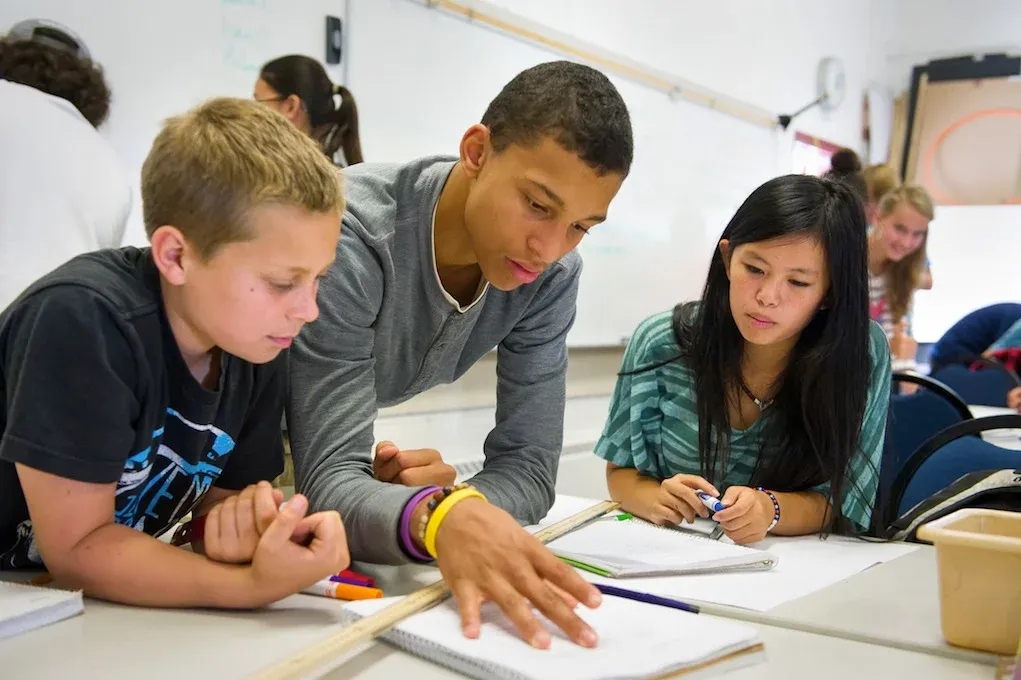
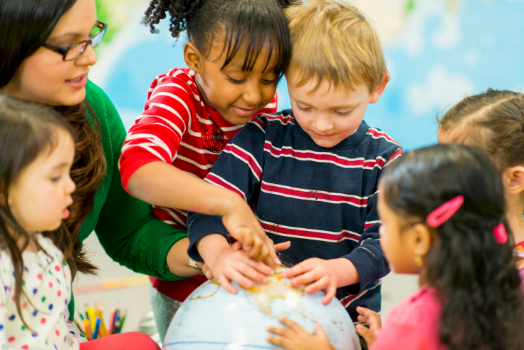
Social awareness means recognizing emotions in others. Consequently, this skill enhances empathy, helps create win-win situations, and strengthens healthy, cohesive communities. In addition, it encourages respect for diverse perspectives and promotes collaboration, both of which are essential for solving problems and building inclusive environments. These abilities are a vital part of the core topics that support social-emotional learning and help students grow into compassionate, responsible community members.
Relationship Skills
One of the most valuable skillsets a person can develop is the ability to create and maintain relationships with others. For example, when navigating challenging interactions — such as disagreements or consoling someone in emotional distress — it’s important to uphold boundaries while responding to others’ needs. As a result, healthy connections to other human beings build resilience and reduce anxiety and depression.
Responsible Decision-Making
The importance of responsible decision-making cannot be overstated. After all, good life decisions depend on emotional stability and effective management of personal energy. Additionally, this skill teaches students to evaluate options carefully, consider potential consequences, and choose actions that align with their values. Developing this habit leads to stronger relationships, greater resilience, and long-term personal and professional success. You can get more information on our financial literacy curriculum, where we cover how to manage finances and more!