
Why Breaking Bad Habits with SEL Is So Difficult
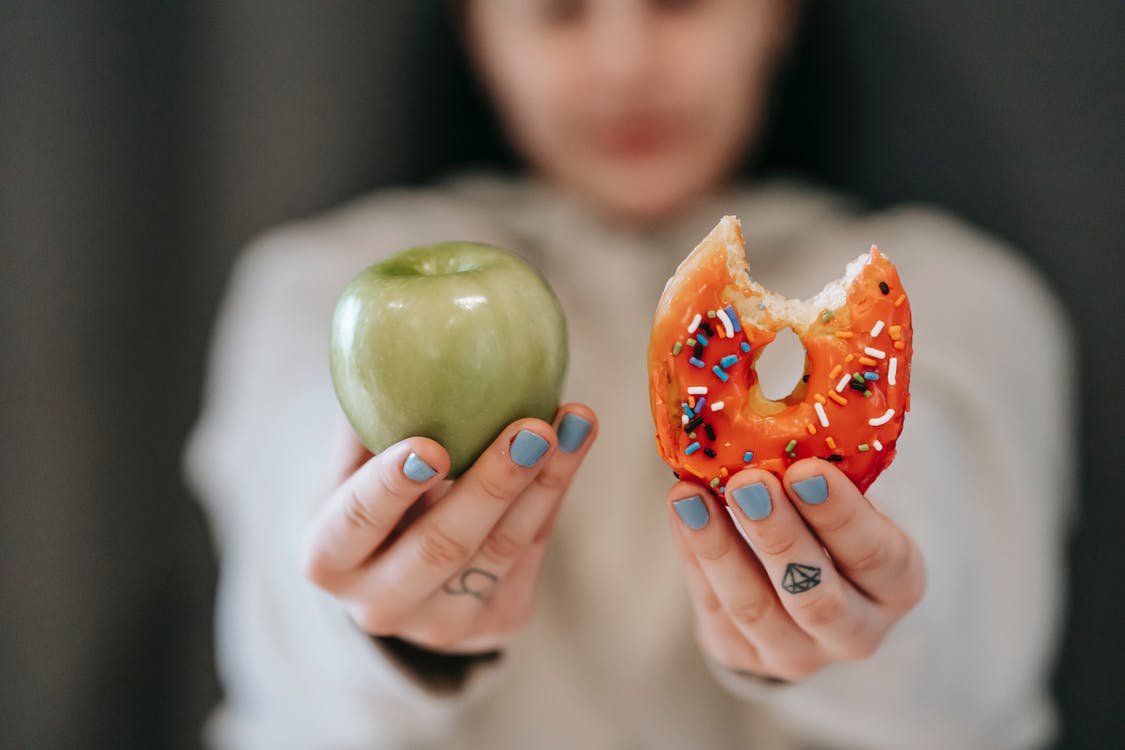
Picture this: you plan a healthy dinner of salmon and rice. Yet, on a hot summer night, you crave an ice cream sundae “just this once.” If this feels familiar, you already know how hard breaking bad habits with SEL can be without strategy and support. Most people set goals, often as New Year’s resolutions, to eat better, drink less, or exercise more. Still, these goals collapse when old routines resurface. Willpower alone rarely works. As the saying goes, bad habits die hard. That is why SEL provides lasting tools that willpower cannot. Research shows that about 40% of our daily actions are not conscious choices. Instead, we internalize them as routines. Breaking bad habits with SEL helps us disrupt those patterns. SEL strengthens emotional awareness and gives us strategies to resist automatic behaviors. Sometimes, psychologists even suggest a complete change of environment, such as moving away from noisy city life, to escape triggers and build healthier habits. Check out our Resilience website to learn more about SEL.How Breaking Bad Habits with SEL Requires Community Support
In addition, SEL helps us guard against harmful routines. For example, when alcoholics receive SEL training, they often become more open to seeking help. Research shows SEL builds trust in supportive communities. Once learners internalize these shared values, they are more likely to maintain healthy routines. One powerful strategy is focusing on emotional triggers. If we understand what sparks a bad habit, we can replace it with healthier responses. Moreover, SEL works best in groups. Willpower alone is limited, but community support provides energy and encouragement. In fact, people who try to fight addictions on their own often relapse. By contrast, learning communities promote accountability and resilience. Therefore, breaking bad habits with SEL should be seen as a shared effort. With social support, individuals are far more likely to break the cycle and move toward healthier lifestyles.The Role of Reflection in Habit Change
Another essential part of the process is reflection. Many people underestimate its value, yet reflection often makes breaking bad habits with SEL easier. By taking time to evaluate actions, individuals can create healthier routines and avoid repeating mistakes. Dr. Wendy Wood, author of Good Habits, Bad Habits, notes that people “repeat what works.” When actions are repeated in stable contexts, we form associations between cues and responses. This explains why unhealthy choices, like eating ice cream after every meal, can become so deeply ingrained. SEL development gives us the space to pause, reflect, and reframe our decisions.What Neuroscience Reveals About Habit Formation
Habits are not formed overnight, nor are they broken with a quick “silver bullet.” Neuroscience shows that our brains and early life experiences strongly influence how habits develop. For example, a person who ate sweets for comfort as a child may continue to associate desserts with happiness as an adult. This “carry-over effect” creates strong emotional ties to bad habits. However, breaking bad habits with SEL helps us recognize these patterns and reframe them. SEL turns awareness into action, showing that change is not only possible, it’s sustainable.Empowerment Through SEL and Daily Choices
The key takeaway is this: every day we make choices, and those choices shape our lives. When we use SEL to reflect on and manage our emotions, we empower ourselves to resist harmful routines.

Breaking bad habits with SEL starts with intentional daily choices. While it doesn’t guarantee instant success, it gives us a clear framework to replace destructive patterns with healthy ones. Ultimately, SEL provides both the tools and the support needed to transform habits and lives. Read this related article!


