
Introduction
Can stepping into a virtual world really teach children real-life emotional skills? Virtual reality in social emotional learning (SEL) is a growing approach that gives kids opportunities to practice emotional regulation and social skills in safe, engaging environments. Virtual reality (VR) has been around since the 1980s, but only became widely accessible in the 2000s. With greater accessibility comes greater opportunities. Just like other forms of technology, VR can now be used to teach youth the vital skills they need to build healthy relationships with themselves and others.
Resilience Inc. is one company taking VR in social emotional learning (SEL) to new heights. As part of its curriculum, students immerse themselves in an interstellar world where they practice skills to help regulate anxious feelings. But how exactly does VR teach these skills, and how effective is VR at education?
How Virtual Reality in Social Emotional Learning Helps Students
VR in SEL programs usually appears as virtual worlds, games, or simulations. These immersive experiences bring out genuine emotions and reactions. Players often perceive their virtual experiences as if they are happening in real time. This effect becomes even stronger when VR characters are human actors and make eye contact with the player.
Both positive and negative emotions enhance learning in VR. For example, negative emotions can sharpen a player’s focus on completing the mission, while positive emotions can make the lesson more engaging and memorable.
Why Virtual Reality Works: Safe Practice Without Consequences
Another advantage of virtual reality in social-emotional learning is the safe environment it provides. Students can practice new social and emotional skills without real-world consequences. By engaging with different scenarios in VR, they can explore social contexts they might encounter later in real life. Since these lessons are repeatable, students can revisit them as often as needed to fully grasp the concepts.

Benefits of Virtual Reality in Social Emotional Learning for ASD
VR has proven especially helpful for students with certain mental disabilities. Children with Autism Spectrum Disorder (ASD), for example, often respond better to electronic interactions than direct human contact. Virtual reality caters to these preferences and supports their social development.
Research shows increased social and emotional competencies in students with ASD after participating in VR-based SEL programs. By combining VR with guided reflection, children make a deeper sense of their experiences, reinforcing the lessons learned.
Reflection: The Key to Lasting Learning
While VR alone is powerful, pairing it with reflection makes it even more effective. When students are encouraged to think about their virtual experiences, they can better connect them to real-world skills and apply what they’ve learned in everyday life.
Example: SELENA VR in Action
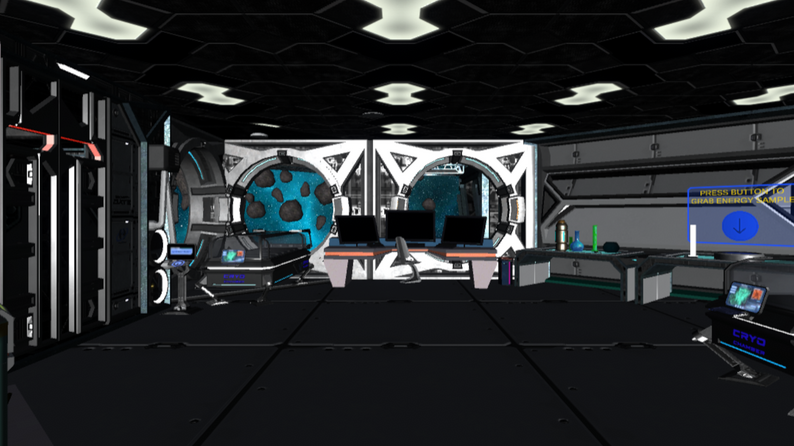
Resilience Inc.’s SELENA VR game is an excellent example. In the program, students find themselves in an interstellar mission: their space shuttle has just passed through an asteroid storm, and they must navigate the aftermath. To succeed, they must regulate their emotions, remain calm, and work through obstacles with SELENA’s guidance.
This immersive challenge encourages students to manage stress, build resilience, and practice emotional regulation in a way that feels exciting and meaningful.
SELENA VR


Conclusion
Overall, virtual reality in social-emotional learning shows strong potential as a teaching tool. Its immersive and repeatable nature makes it especially effective for building skills like resilience, self-regulation, and social awareness. Programs like SELENA VR demonstrate how technology can help children grow emotionally while keeping them engaged in the process.
Check out Resilience Inc.’s VR game, and keep an eye out for more releases in the future!
Citations
- The history of virtual reality (VR). SPREE Interactive. (2023, April 13).
- Lie, S. S., Røykenes, K., Sæheim, A., & Groven, K. S. (2023). Developing a virtual reality educational tool to stimulate emotions for learning: Focus Group Study. JMIR Formative Research, 7.
- Walker, G., & Venker Weidenbenner, J. (2019). Social and emotional learning in the age of virtual play: Technology, empathy, and learning. Journal of Research in Innovative Teaching & Learning, 12(2), 116–132.
- Zhang, F., Zhang, Y., Li, G., & Luo, H. (2023). Using virtual reality interventions to promote social and emotional learning for children and adolescents: A systematic review and meta-analysis. Children, 11(1), 41.