
Parenting with a Growth Mindset: Raising Resilient Kids

Parenting with a growth mindset has been a journey for my husband and me. With one of us leaning toward a fixed mindset and the other toward a growth mindset, raising our children came with challenges and lessons. Along the way, we learned that while our approaches were different, our love and commitment to our kids gave them the support they needed to grow.

Growth Mindset vs. Fixed Mindset in Parenting

Before I share our story, it helps to understand the difference between a growth mindset and a fixed mindset:

  • Growth mindset: Believes skills and intelligence can improve through effort and practice. People with this mindset embrace challenges, learn from mistakes, and value feedback.
  • Fixed mindset: Believes abilities are set in stone. People with this mindset avoid challenges, fear failure, and often give up easily. They may feel threatened by others’ success and resist constructive criticism.

My husband grew up with a difficult school experience. Because his family moved often, he never finished a school year in the same place. By the time he finally graduated eighth grade at sixteen, he had already endured bullying, academic setbacks, and the responsibility of helping to support his family. High school and college felt out of reach, and as an adult, he continues to view his abilities through a fixed mindset.

My experience was different. I thrived in school, had consistent support from my parents, and graduated as Salutatorian of my small senior class. I became the first in my family to finish both high school and college. These experiences shaped my growth mindset and gave me the confidence to believe that I could overcome challenges.

Parenting with a Growth Mindset Across Different Perspectives

Parenting with a growth mindset while balancing two very different perspectives wasn’t easy for us. My husband often felt I pushed the kids too hard, while I believed he didn’t push them enough. Through compromise, we used our strengths: he helped with science and math, and I helped with English and spelling.

Our son was intelligent but struggled with behavior, which sometimes held him back in school. Yet as an adult, he has shown a growth mindset by learning a trade and building a successful career.

Meanwhile, our daughter displayed both fixed and growth mindsets. She often shut down in math, convinced she couldn’t learn it. But in culinary and science classes, she thrived. With the support of a teacher who collaborated with her math teacher, she gained confidence and learned to approach challenges differently. This was a turning point in her social-emotional learning (SEL).

Looking back, we often didn’t know how to help our kids with school struggles. Now, I believe social-emotional learning in schools could have made a world of difference, not just for our children, but for us as parents, too.

Looking Toward the Future with SEL

Looking to the future, I believe parenting with a growth mindset will become easier as schools adopt SEL. SEL focuses on five core areas:

  • Self-awareness
  • Self-regulation
  • Social awareness
  • Relationship management
  • Goal setting and effective decision-making

Students who practice these skills gain confidence, embrace learning (even in difficult subjects), and recognize their strengths.

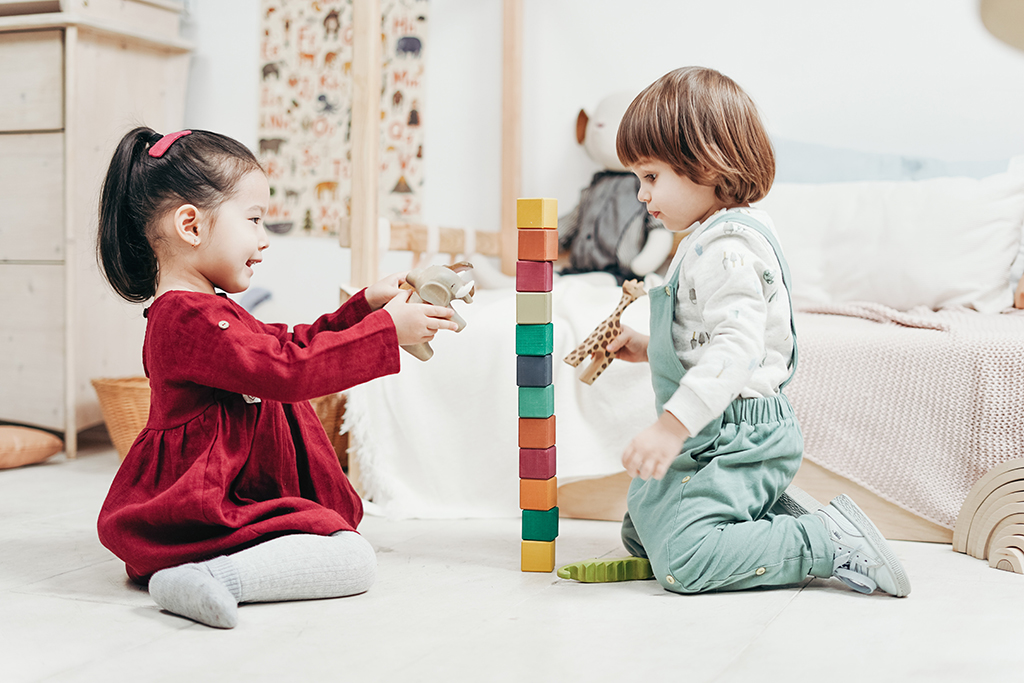
I already see the benefits of SEL with my granddaughter. At four years old, she’s growing more confident every day thanks to the SEL her parents teach at home. Once a shy toddler, she now believes she can be anything she dreams of, whether that’s an astronaut, a scientist, or even a unicorn. That belief in herself is the very heart of a growth mindset.

Parenting, Learning, and Growing Together

Parenting is never simple. Mistakes are part of the process, and with our different backgrounds, my husband and I often wondered if we were doing it right. Over time, though, we realized that parenting itself is a journey of growth.

Today, as grandparents, we approach parenting differently. We’ve learned when to step back, let our children make mistakes, and trust that growth comes through experience.

So, how do two parents with opposite mindsets raise children who grow into healthy, resilient adults? I don’t think there’s a perfect answer. What I do know is that if parents keep learning and growing alongside their kids, children will always feel supported and loved. And in the end, isn’t that what matters most?

As for us, we’ll stay busy helping raise a future astronaut, or maybe a unicorn named Cupcake. Either way, the future looks bright.

The owner of this website has made a commitment to accessibility and inclusion, please report any problems that you encounter using the contact form on this website. This site uses the WP ADA Compliance Check plugin to enhance accessibility.