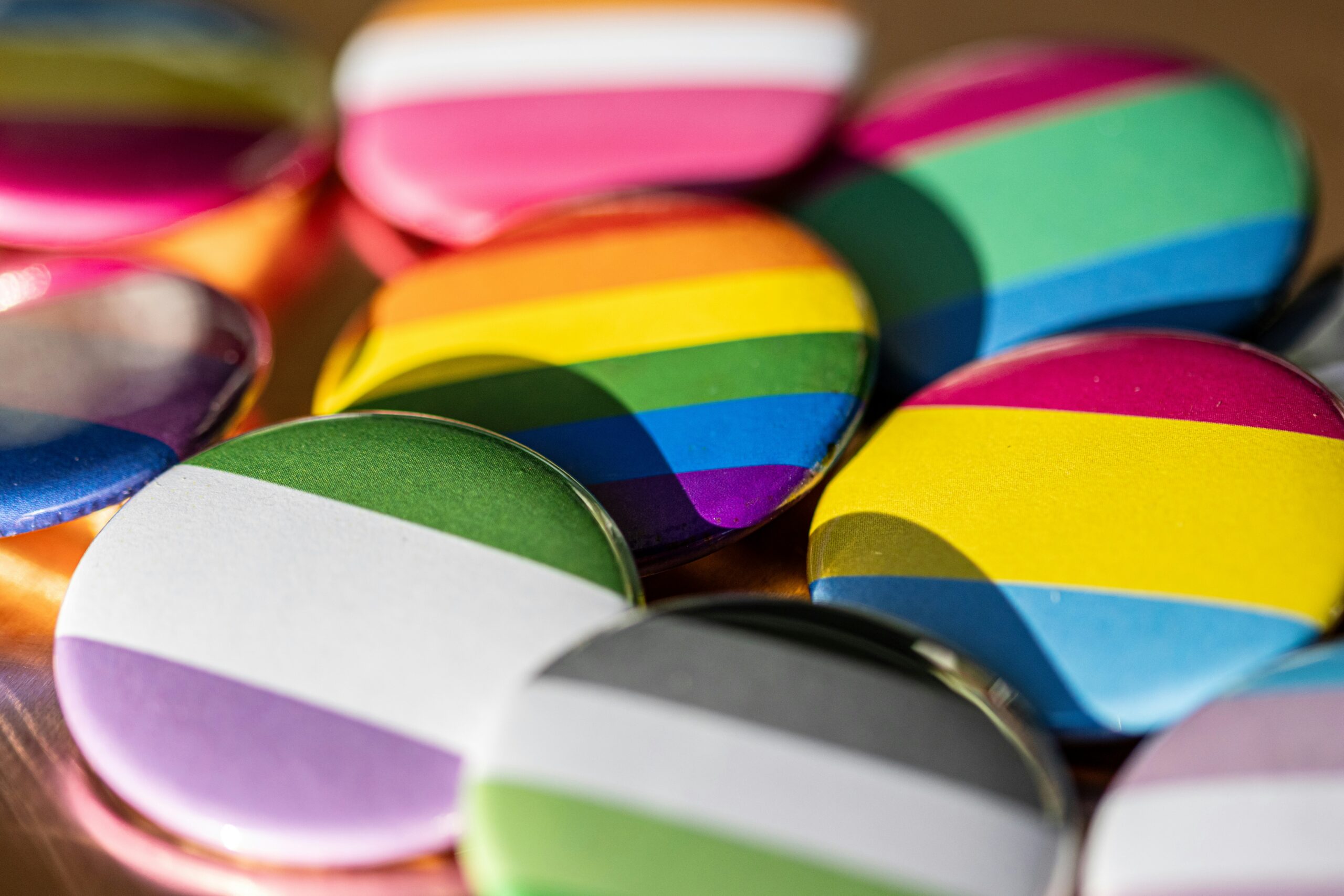


https://unsplash.com/photos/a-close-up-of-a-bunch-of-colorful-buttons-qA2wjVL9pkw
SEL
Social Emotional Learning (SEL) helps students build skills like self-awareness, emotional regulation, empathy, communication, and responsible decision-making. These skills support positive relationships, reduce conflict, and help create safe, accepting learning environments for all students, including LGBTQIA+ youth.
Teaching students to be emotionally self-aware and to be mindful of themselves will help them learn to be aware of other students’ feelings as well. Through learning self-management, students will learn to capture and control their thoughts, recognize and avoid negativity, and learn to embrace change. Being taught social awareness will help students recognize inequality, establish connections, and be aware of other people’s differences. Learning to identify and prevent bullying through learning about relationship skills is vital for students to learn. And finally, by learning responsible decision-making, students can learn how to deal with peer pressure. SEL is a valuable tool for students to help them become responsible and learn how to respect others.
Problems for LGBTQIA+ Youth
Out of the 2.4 billion youths in the world under the age of 18, millions of children and teenagers identify as queer, meaning they identify as something other than straight and/or cisgender. An article from the Human Rights Campaign, based on data from the Centers for Disease Control and Prevention, demonstrates how LGBTQIA+ youth are more likely to be bullied than straight cisgender students:
“43% of transgender youth have been bullied on school property. 29% of transgender youth, 21% of gay and lesbian youth and 22% of bisexual youth have attempted suicide.”
“16% of gay and lesbian youth and 11% of bisexual youth have been threatened or injured with a weapon on school property, compared to 7% of straight youth”
“43% of transgender youth have been bullied on school property, compared to 18% of cisgender youth; transgender youth were more likely in 2019 to have been bullied on school property than reported in 2017”

“29% of gay or lesbian youth and 31% of bisexual youth have been bullied on school property, compared to 17% of straight youth”
Bullying and emotional challenges can affect any student, regardless of identity. However, data shows LGBTQIA+ youth experience these challenges at higher rates. To combat this, students can be provided with SEL training, which will help prevent students, both those who identify as LGBTQIA+ and those who don’t, from being bullied. Through self-management and relationship management, SEL training can help students learn what to do through learning responsible decision-making skills, should they start being bullied, or if they learn of someone being bullied.
LGBTQIA+ children and teenagers face a variety of problems, not just limited to bullying at school. Some students may also face unsupportive or emotionally challenging environments at home, which can affect their sense of belonging and emotional safety. Openly gay or trans members of the community face pushback in public and private spaces for their identity. SEL helps youth build empathy, respect, and emotional skills that support understanding and inclusion among all peers. By integrating SEL into classrooms, schools can help every student, including LGBTQIA+ youth, develop confidence, empathy, resilience, and the skills to build healthy relationships and safer communities.
Resources Used:
https://data.unicef.org/how-many/how-many-children-under-18-are-in-the-world
https://unsplash.com/photos/a-close-up-of-a-bunch-of-colorful-buttons-qA2wjVL9pkw